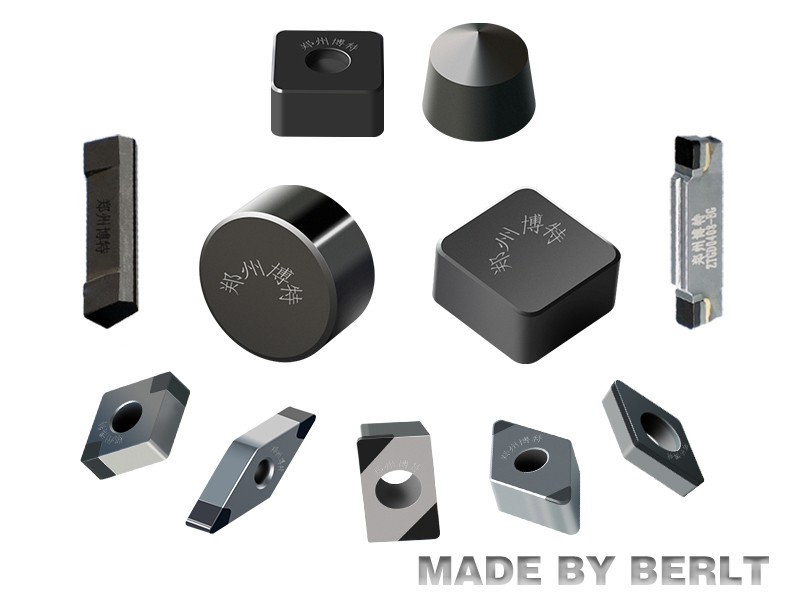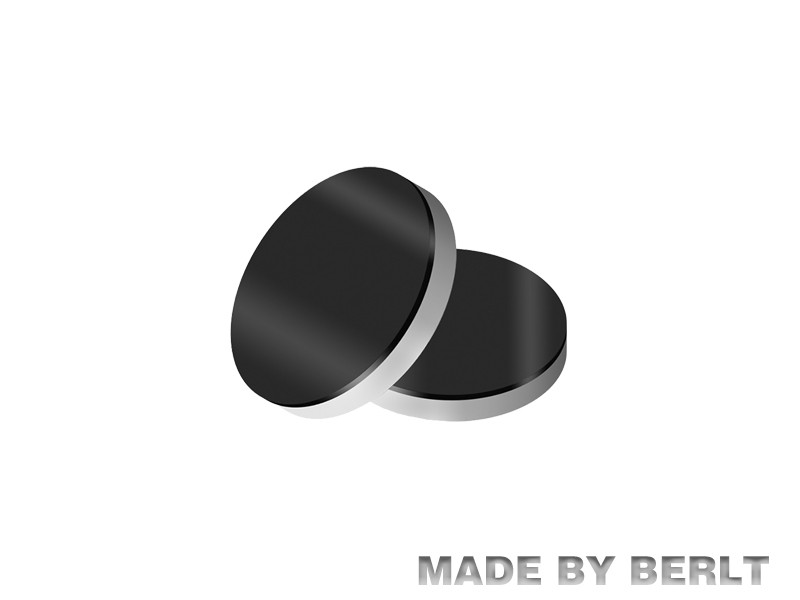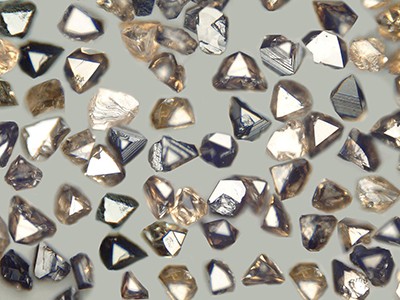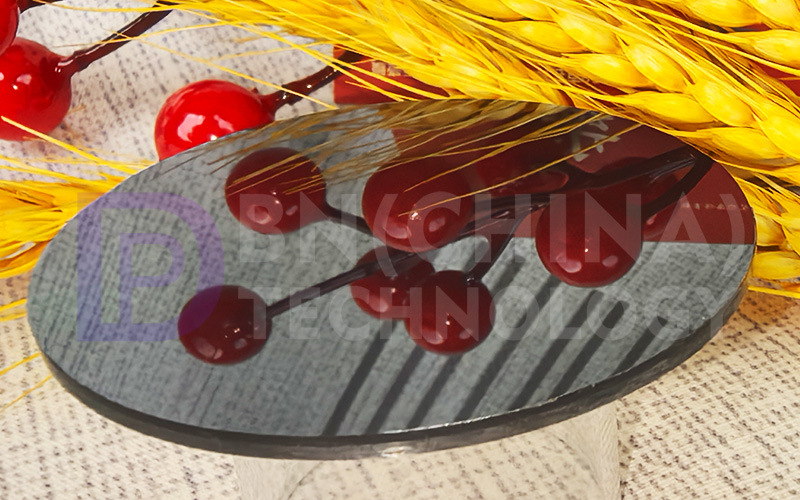
Within the vast landscape of modern industrial processing, one material stands out for its exceptional properties, becoming an indispensable key force across numerous fields: diamond-coated cutting tools. This material utilizes synthetic diamond as its abrasive, bonded with metal powders, resin powders, and other binders. It is sintered at high temperatures and pressures onto a cemented carbide substrate. This ingenious fusion combines diamond's extreme hardness and wear resistance with the strength and impact toughness of cemented carbide. Like a masterfully skilled“all-round warrior,”it shines brilliantly in the realm of modern precision machining.
The“High-Efficiency Blade”of the Machining Industry
The mechanical processing industry provides another crucial stage for diamond-coated cutting tools to demonstrate their capabilities. In non-ferrous metal processing—such as machining aluminum, copper, and magnesium alloys—traditional tools often suffer from material adhesion. This not only increases cutting forces but also accelerates tool wear. Diamond-coated tools, however, leverage their low friction coefficient and high thermal conductivity to enable high-speed cutting. The resulting surface roughness is exceptionally low, sometimes achieving a mirror-like finish. Take the machining of high-silicon aluminum alloy components like automotive engine pistons and carburetors as an example. Diamond-coated tools maintain stable cutting performance over extended periods, delivering dimensional accuracy and surface quality that far surpasses results achieved with carbide tools. This provides robust support for the high-quality development of the automotive manufacturing industry.
The Precision Blade in Composite Material Processing
The demands on cutting tool performance in composite material processing are exceptionally stringent. Diamond-coated composite tools have emerged as the key solution to this challenge due to their unique advantages. During the machining of carbon fiber-reinforced plastics, conventional tools often cause material delamination, tearing, and processing defects. CVD diamond-coated tools, however, deposit a nanoscale diamond film onto a carbide substrate. This approach preserves the substrate's impact resistance while imparting exceptional hardness and wear resistance to the tool. When machining with these tools, tool life is significantly extended, and the machined surface emerges smooth, burr-free, and free of delamination. This fully meets the aerospace industry's demand for high-precision machining of composite structural components, providing robust technical support for the advancement of aerospace endeavors.
A Stable Blade for Machining Brittle Materials
Diamond composite cutting tools also excel in machining brittle materials like ceramics, glass, and cemented carbide. Take zirconia ceramic machining as an example: conventional tools often chip due to the material's brittleness, compromising both quality and efficiency. Diamond composite tools, however, achieve stable cutting through optimized cutting edge geometry and coating processes, resulting in extremely low surface roughness after machining. This provides robust technical assurance for high-end manufacturing sectors like medical ceramics and electronic ceramics, driving continuous advancement and progress in these industries.
From aerospace to everyday consumer electronics, diamond composite cutting tools play an irreplaceable role across industrial sectors due to their exceptional performance. Like the “industrial teeth”of modern manufacturing, they continuously drive industrial processing toward greater efficiency and precision, emerging as a vital force propelling industrial progress.