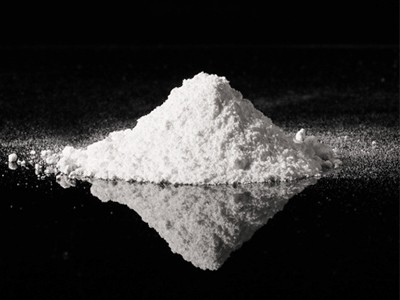
Hailed as “white graphene,” hexagonal boron nitride (h-BN) boasts superior insulation and heat resistance compared to graphene. From the “cooling core” in smartphone chips to the “protective shield” in rocket nozzles, from the “single-photon source” in quantum computers to the “safety guardian” in future batteries, h-BN is quietly reshaping the rules of the game in cutting-edge fields like semiconductors, aerospace, and new energy with its atomically precise structure.
Semiconductors: The Source of “Cooling”and “Reliability”for Chips
In an era of exploding computing power, chip heat dissipation is the primary challenge. The emergence of hexagonal boron nitride has brought a revolutionary solution to semiconductor packaging.
High-Efficiency Heat Dissipation: h-BN boasts an in-plane thermal conductivity of 300–600 W/(m·K), comparable to copper, yet possesses perfect electrical insulation. As a thermal interface material, it precisely fills nanoscale gaps between chips and heat sinks, drastically reducing thermal resistance to ensure stable operation of high-performance chips like those in 5G base stations under heavy loads.
Insulation Protection: Directly coating h-BN onto chip surfaces forms an ultra-thin insulating layer that prevents current leakage while aiding lateral heat diffusion. Research indicates this reduces chip hotspot temperatures by 3-5°C, significantly enhancing reliability and lifespan.
Defect Passivation: For cutting-edge 2D semiconductors like molybdenum disulfide, h-BN encapsulation “locks in” harmful oxygen molecules, passivating material defects and enabling dramatic performance leaps in devices.
Aerospace: The “White Armor”Conquering Extreme Environments
In the vacuum and intense heat of space, materials face relentless challenges at their limits. With its exceptional high-temperature resistance and lubrication properties, h-BN has become the critical “protective armor” for spacecraft.
Thermal Shield for Rocket Nozzles: It withstands temperatures exceeding 1500°C, boasts an extremely low thermal expansion coefficient, and exhibits outstanding thermal shock resistance. When applied as a coating on rocket nozzles, it drastically enhances heat resistance while achieving extreme weight reduction.
Lubricant for Extreme Environments: In space's high-temperature, high-vacuum, or highly corrosive conditions, conventional lubricants fail. h-BN's layered structure enables effortless interlayer sliding, making it a stable solid lubricant that ensures long-term operation of precision equipment under harsh conditions.
New Energy & Future Electronics: The “Cornerstone”of Safety and Efficiency
From safer batteries to faster chips, h-BN is paving the way for next-generation electronics and energy technologies.
Ideal Substrate for Flexible Electronics: h-BN films can be transferred onto flexible materials to create bendable displays, skin sensors, and more. Its atomically smooth surface reduces stress, enabling brighter, longer-lasting flexible LEDs.
Performance Booster for High-Frequency Devices: In 5G and AI chips, h-BN acts as a gate dielectric layer, effectively shielding impurity interference. It boosts transistor hole mobility to 570 cm²/(V·s) and enables ultra-fast switching speeds at the sub-nanosecond level.
Solid-State Battery Safety Guardian: Within batteries, h-BN coatings stabilize electrode-electrolyte interfaces, extending cycle life by 50% while effectively suppressing hazardous lithium dendrite growth, fundamentally enhancing battery safety.
Nuclear Protection Neutron Trapper: Coatings containing h-BN serve as shielding layers in nuclear reactors, efficiently absorbing neutrons to provide reliable radiation protection for nuclear facilities.
Industrial Cornerstone: From Superhard Tools to Efficient Catalysis
In more fundamental industrial sectors, h-BN also serves as a “powerful tool.”
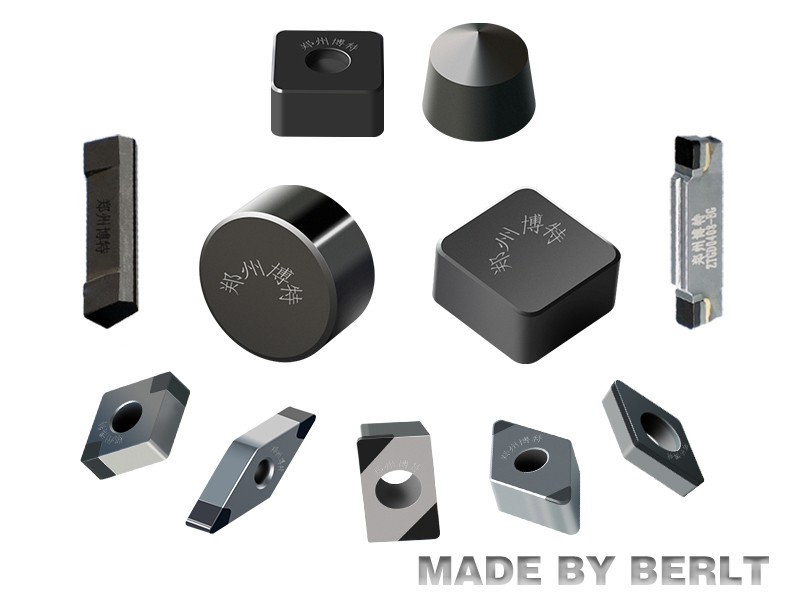
Birth of Superhard Materials: Under high temperature and pressure, h-BN can transform into cubic boron nitride (c-BN), whose hardness is second only to diamond. It is the premier material for cutting tools and abrasives used in machining hard materials like steel.
A “Stable Platform” for Catalytic Reactions: Spherical h-BN particles serve as catalyst carriers. Leveraging their chemical inertness and high-temperature resistance, they can enhance the ethanol oxidation efficiency of precious metal catalysts like platinum by up to tenfold while extending their lifespan.