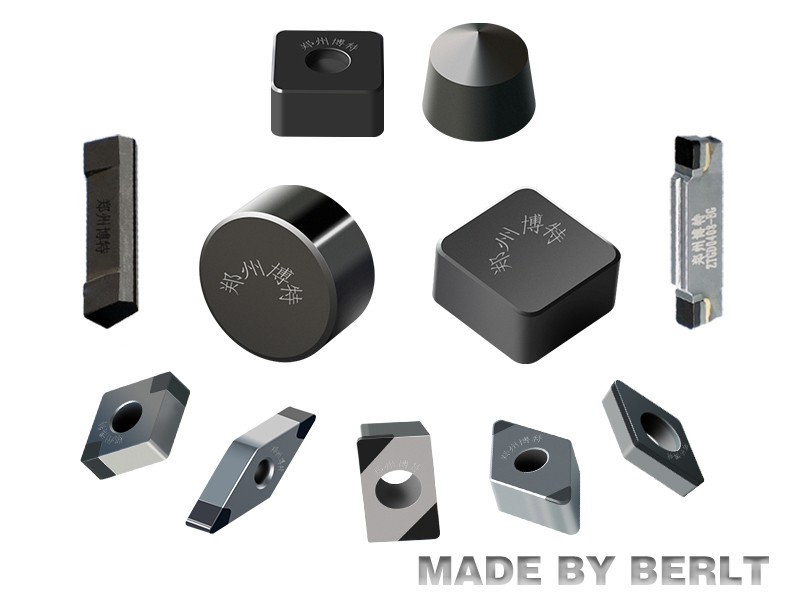
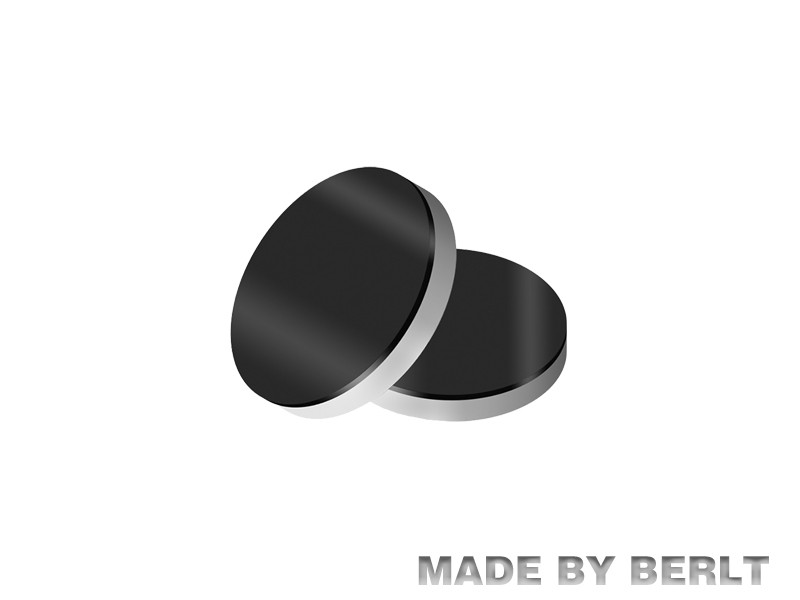
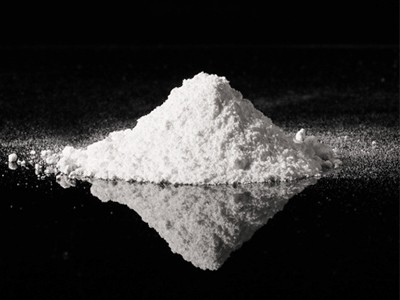
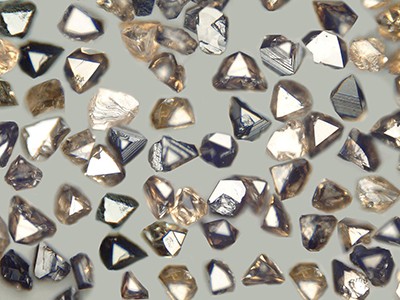
Cubic boron nitride (CBN) is a superhard material second only to diamond in hardness. It can withstand temperatures of 1,250–1,350°C and does not react chemically with ferrous metals. Grinding wheels made from CBN are specifically designed to tackle tough materials like high-speed steel, die steel, and bearing steel.
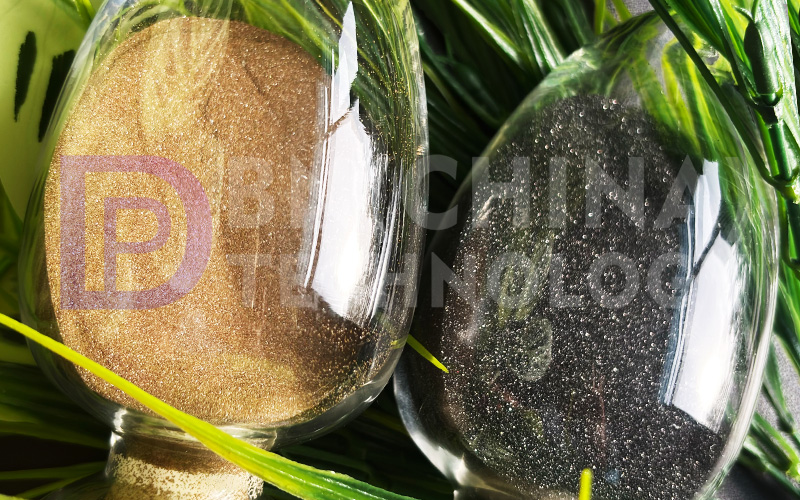
However, many people don’t realize that the effectiveness of a CBN grinding wheel depends largely on the choice of grit size.
Coarse grit (80/100–120/140 mesh): The go-to choice for rough work
With large particles and sharp cutting edges, it can remove material quickly right from the start. For tasks with ample material allowance, such as grinding crankshafts or bearing rings, using coarse grit can boost efficiency by over 30%. However, the trade-offs are clear: high grinding force can cause thermal stress in the workpiece, and the surface finish will be rougher. Therefore, coarse grit is only suitable for rough machining—don’t expect a mirror-like finish. Additionally, if the particles are too large (over 150 microns), they are prone to dislodging from the bonding agent, which actually shortens the wheel’s lifespan.
Medium grit (150/180–200/230 mesh): The balance between rough and finish grinding
This range is the primary choice for many manufacturers. The grit is neither too coarse nor too fine, with moderate cutting force, acceptable surface quality, and decent efficiency. Ceramic-bonded CBN grinding wheels typically fall within this range, striking a balance between output and quality, making them suitable for most mass production scenarios.
Fine Grit (230/270–325/400 mesh): The workhorse of finishing
With smaller particles, there are more abrasive grains per unit area, resulting in uniform cutting force distribution. This produces smooth surfaces, high dimensional accuracy, and low residual stress. Surprisingly, fine-grit grinding wheels actually have a longer service life than coarse-grit ones, as the small particles undergo “micro-fracturing,” continuously exposing new cutting edges that become sharper with use. However, efficiency is indeed lower, and if the grit size is too fine (less than 10 microns), slippage can occur, causing temperatures to spike and potentially damaging the workpiece.
Some high-end grinding wheels now feature a “sandwich structure”: coarse-grained material removal in the core, medium-grained transition in the middle, and fine-grained polishing on the surface. This allows for a single-setup process from rough grinding to finish grinding, extending the wheel's service life by up to three times.
Here are a few key figures to note:
CBN grinding wheels have a specific grinding energy of 3,500–5,500, which is dozens of times higher than that of standard alumina wheels. In the internal grinding of bearings, their service life can be 80–100 times longer than that of alumina wheels. Workpiece durability can be improved by 10%–30%. Overall, although the unit price of CBN wheels is higher, the total cost is actually lower.
One final reminder: CBN is sensitive to alkalis. Only oil-based coolants should be used during grinding; water-based coolants must be avoided at all costs, as CBN begins to decompose in alkaline solutions at 300°C.
With the right grit size and the correct coolant, CBN grinding wheels are the most reliable tools for grinding ferrous metals.