In high-temperature forming processes such as casting, extrusion, and die casting of aluminum and aluminum alloys, the demolding stage is critical to determining product quality, mold lifespan, and production efficiency. Traditional release agents like graphite or grease tend to degrade, leave residues, or even react with molten aluminum at high temperatures, leading to mold corrosion and casting defects. A material known as “white graphite”—hexagonal boron nitride (h-BN) powder—is emerging as a revolutionary solution to these industry challenges due to its exceptional high-temperature resistance, chemical inertness, and lubricity.
It not only enhances release performance but also demonstrates significant potential in improving product quality, extending mold life, and ensuring production stability.
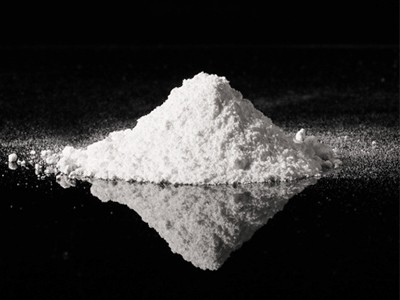
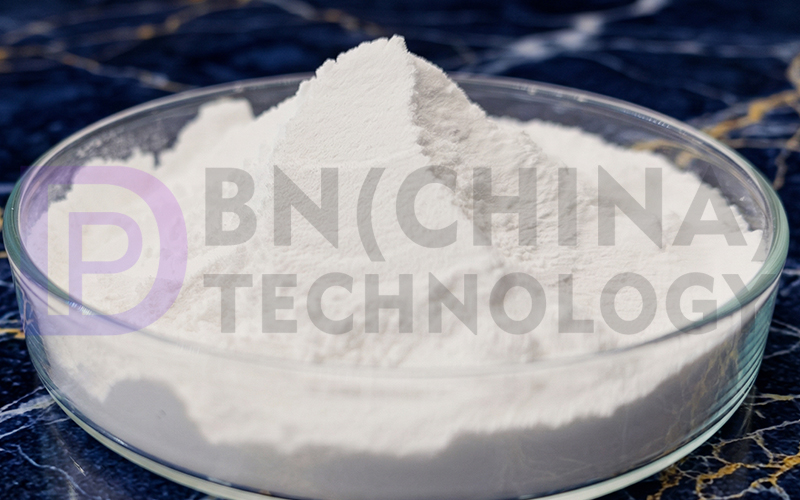
Hexagonal boron nitride's ability to shoulder this critical role stems from its unique crystal structure and physicochemical properties. Its crystal structure resembles graphite, featuring layered arrangements held together by weak van der Waals forces. This allows layers to slide easily against each other, imparting exceptional lubricity. Unlike graphite's black color, h-BN appears pure white, hence its nickname “white graphite.” More importantly, it exhibits far greater stability than graphite at high temperatures. In air, its operational temperature exceeds 900°C, and in inert atmospheres, it can withstand temperatures as high as 2500-3000°C. Simultaneously, it exhibits exceptional chemical inertness toward most molten metals, particularly aluminum, resisting wetting or reaction. This fundamentally prevents mold corrosion and casting contamination.
When molten aluminum (typically at 660–750°C) is poured into the mold, the protective layer formed by h-BN powder on the mold surface performs multiple critical functions.
First, its extremely low friction coefficient (as low as 0.2–0.4) delivers exceptional lubrication, ensuring smooth and complete separation of aluminum parts from the mold. This significantly reduces sticking and marring defects.
Second, h-BN's high thermal conductivity facilitates rapid and uniform heat dissipation across the mold surface. This prevents issues like casting shrinkage cavities and hot cracks caused by localized overheating. Data indicates it can reduce mold temperature gradients by approximately 40%.
Finally, this dense “isolation film” effectively prevents direct contact between molten aluminum and steel molds, inhibiting the formation of brittle intermetallic compounds like Al-Fe. This extends mold lifespan by over 30%.
In practical applications, h-BN powder is typically formulated into water-based or oil-based suspensions (release agents). These are applied via spraying or brushing onto preheated (150–200°C) mold surfaces, forming a uniform film layer just 0.1–0.3 millimeters thick. Common formulations contain h-BN at approximately 5–20 wt%, and may be blended with other functional materials like silicon nitride (Si₃N₄) or molybdenum disulfide (MoS₂) to meet specific process requirements. This method is simple to operate, dries rapidly, and integrates seamlessly into existing production lines.
Its application effectiveness has been validated across multiple industrial sectors. In automotive aluminum alloy wheel casting, the adoption of h-BN composite coatings extended mold life from approximately 30,000 cycles to nearly 50,000 cycles, while improving demolding efficiency by 18%. For demanding die-casting of electronic heat sinks, utilizing h-BN nano-suspension release agents significantly boosted the yield rate of thin-walled castings from 85% to 98%. In aluminum extrusion forming, h-BN release agents create effective isolation between the extrusion head and billet, as well as between the die and profile. This prevents aluminum adhesion, reduces mechanical marks, enhances product surface quality, and extends die life.
Compared to traditional graphite or silicone oil-based release agents, h-BN offers comprehensive and decisive advantages. Unlike graphite, it does not oxidize and degrade at high temperatures, nor does it leave carbonized residues like organic release agents. This ensures high surface cleanliness of castings (surface roughness Ra can be below 6.3 micrometers), eliminating the need for cumbersome post-processing cleaning steps. Its non-toxic and non-flammable properties also make it more compliant with modern environmental and safety production standards.