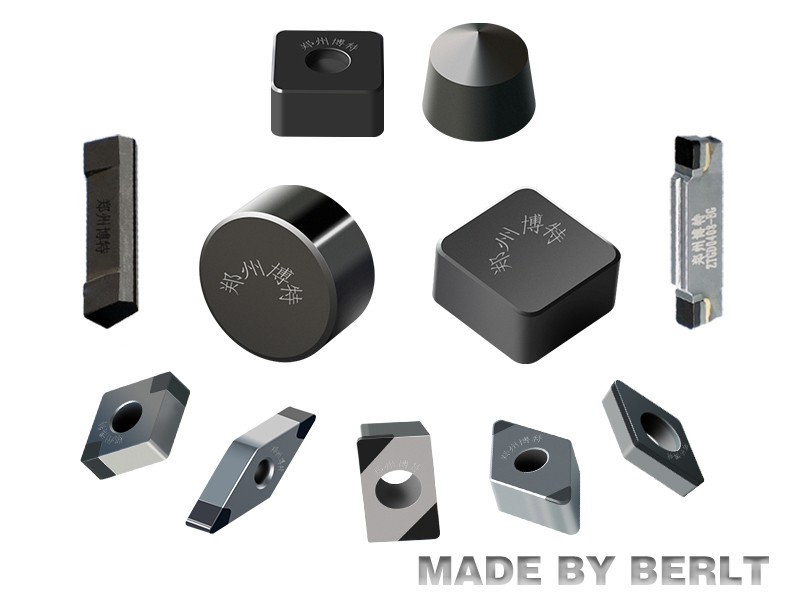
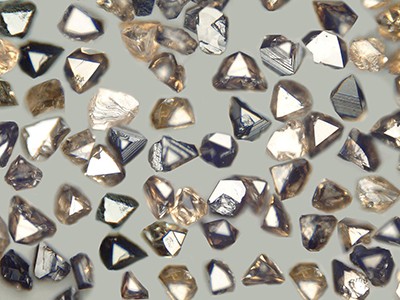
PCBN Discs are a shining “industrial diamond” in modern manufacturing. They are not natural minerals, but rather the crystallization of human ingenuity—a superhard composite material formed by sintering micron-sized cubic boron nitride (CBN) crystals with binders such as metals and ceramics under high temperature and pressure. Its hardness is second only to diamond, yet it possesses a unique chemical stability that diamond lacks, making it the “ultimate tool” for machining ferrous metals like steel.
Imagine a modern automotive factory where engine crankshafts and camshafts—core components made of high-hardness quenched steel—are being cut and ground at extremely high speeds. In the past, machining these parts was like “chewing on a hard bone”—inefficient and resulting in rapid tool wear. Today, the advent of PCBN tools has made this process a breeze. Its primary application is in the manufacture of high-performance cutting tools, widely used in CNC lathes, milling machines, and machining centers to tackle those “tough nuts” that traditional carbide tools shy away from— —hardened steel (hardness HRC 45 and above), cold-hardened cast iron, powder metallurgy materials, high-temperature alloys (such as nickel-based and cobalt-based alloys), and various types of sprayed or welded wear-resistant coatings.
Its advantages can be summarized in three words: hardness, stability, and durability.
“Hardness” is the cornerstone of its performance. PCBN has a micro-Vickers hardness of up to 70 GPa, which is several times that of cemented carbide. This means that when cutting high-hardness materials, it undergoes minimal deformation and maintains a sharp cutting edge at all times, thereby achieving extremely high dimensional accuracy and a smooth surface finish. When machining hardened steel, its tool life is typically 10 to 50 times longer than that of cemented carbide tools, and sometimes even longer.
“Stability” refers to its exceptional performance at high temperatures. PCBN exhibits excellent thermal stability, with a heat resistance of up to 1400–1500°C. At cutting temperatures of 800–1200°C, its hardness and strength degrade only minimally, whereas cemented carbide has already softened at these temperatures. This enables PCBN tools to perform high-speed dry cutting without the need for coolant, which is not only environmentally friendly but also prevents tool breakage caused by thermal shock.
“Resilience” is reflected in its chemical inertness. Diamond tools react chemically with iron-group elements at high temperatures, leading to “graphitization” wear, and are therefore unsuitable for machining steel. In contrast, PCBN remains chemically inert when in contact with iron-group metals at temperatures of 1200–1300°C, exhibiting virtually no reaction. This characteristic makes it an indispensable choice in the field of ferrous metal machining.
These characteristics have collectively given rise to revolutionary manufacturing processes—“turning instead of grinding” and “milling instead of grinding.” In traditional processes, hardened workpieces required rough machining, followed by heat treatment, and finally precision grinding—a cumbersome sequence of steps. Now, using PCBN tools, precision turning or milling can be performed directly on hardened workpieces after heat treatment, achieving or even surpassing the precision and surface finish of grinding in a single setup. This significantly simplifies the manufacturing process, reduces capital investment (lathes are more versatile than grinding machines), and shortens production cycles.
In the automotive industry, it is used to machine engine blocks, cylinder heads, gears, and bearings; in the aerospace sector, it tackles difficult-to-machine materials such as titanium alloys and superalloys; and in the mold industry, it is used for the finishing of hardened mold steel. With every cut, the precision and efficiency of Machine Manufacturing are enhanced.
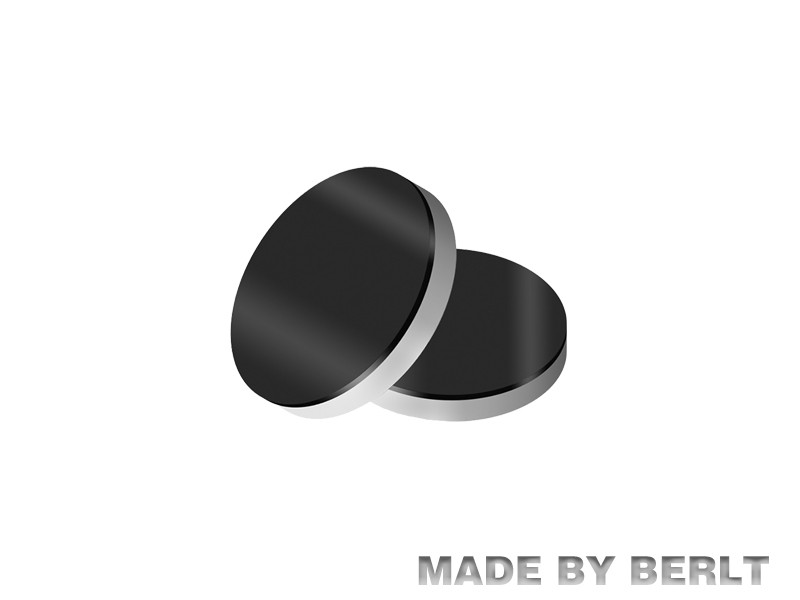
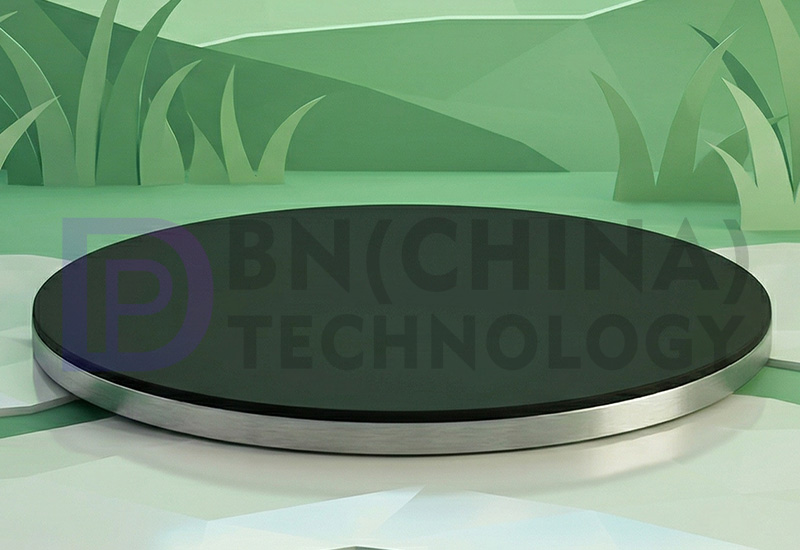
The PCBN discs produced by BN(CHINA) Technology feature diameters up to 65 mm. With a high-hardness CBN layer and uniform grain fusion, they offer an extremely high yield rate and are suitable for cutting into small inserts of various shapes, opening up a wider range of machining possibilities.