In metallurgical furnaces roaring at over a thousand degrees, in glass melting kilns filled with corrosive molten glass, on die-casting molds pounded repeatedly by molten metal — under these extreme conditions, ordinary coatings carbonize and peel off within hours. Graphite coatings, while durable, start oxidizing and turning black above 400°C, leaving workpieces dirty and stained. High-temperature protection has long been a persistent headache for industry.
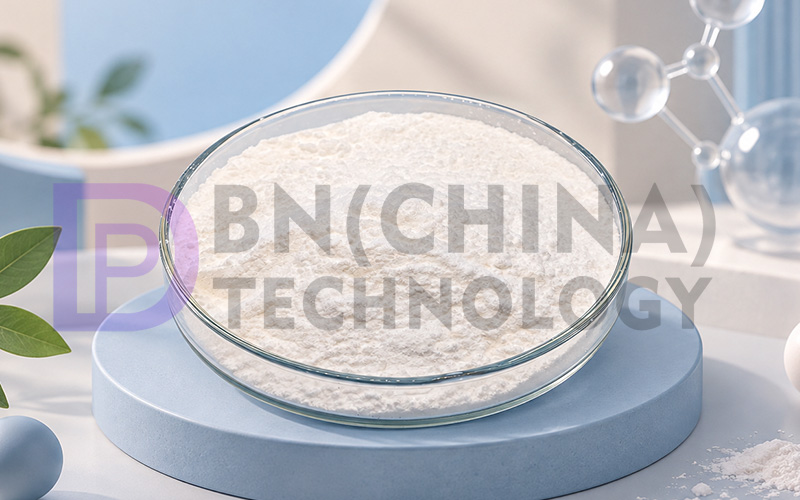
The emergence of hexagonal boron nitride (h-BN) powder has brought a genuinely reliable solution to the high-temperature coatings sector.
What makes it so dependable boils down to three words: stable, slippery, and clean.
Stable — truly stable at high temperatures. H-BN withstands up to 900°C in air without oxidation, and in inert atmospheres it can take temperatures as high as 3000°C — a range that covers virtually every industrial high-temperature scenario. More importantly, it is extremely chemically inert: molten metals like aluminum, magnesium, copper, and zinc simply cannot "eat through" it, nor can they stick to it. The two biggest enemies of high-temperature coatings — erosion and adhesion — are non-issues for h-BN by nature.
Slippery — stays slippery even when hot. H-BN is also known as "white graphite." It shares the same layered structure as graphite, with extremely low interlayer friction and a friction coefficient of only 0.15 to 0.25. But unlike graphite, its lubricating performance does not degrade at high temperatures, and it doesn't get dirtier with use. Workpieces come out of the mold clean and bright.
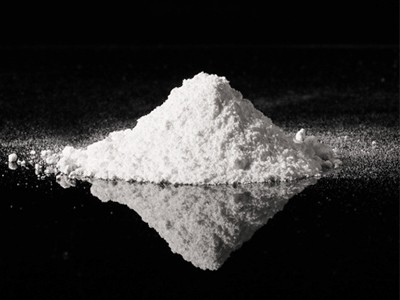
Clean — genuinely clean. White powder, white coating — no more black, sooty mess that graphite coatings leave behind, and no extra cleaning steps downstream. For industries demanding high surface cleanliness — automotive, electronics, medical devices — this is a game-changer.
Mix high-purity h-BN powder with inorganic binders to make water-based or solvent-based coatings, and you can apply them by spraying, brushing, or dipping. Once dried and cured, the coating forms a "three-way barrier" at high temperatures — anti-sticking, anti-erosion, and anti-oxidation.
How well does it work in practice? In foundries, launders and crystallizers last several times longer after coating. In die-casting shops, using h-BN as a release agent reduces mold wear while improving workpiece surface quality. In glass factories, molds and conveyor rollers that used to stick constantly now need far less frequent cleaning. Even high-temperature components in aero-engines and cracking units in petrochemical plants are switching to boron nitride-containing high-temperature anti-corrosion coatings, with protection lifespans two to three times longer than traditional coatings.
Of course, the quality of the powder is what ultimately determines the coating's performance. Uniform particle size, high purity, intact flake structure — every detail matters. That's why high-end high-temperature coatings are all chasing premium-quality h-BN powder.
As emerging industries — new energy, semiconductors, advanced manufacturing — raise the bar for high-temperature protection, h-BN powder is set to play an ever bigger role in the world of high-temperature coatings.